

The Camera Saw It Too: How Traffic and Red-Light Footage Can Shape Your Orlando Car Accident Claim
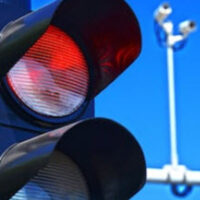
Intersection crashes have a way of turning into arguments. Both drivers insist they had the green light, the passengers back their own driver, and the police report may not settle the question. Meanwhile, a camera mounted above the intersection or on a nearby storefront may have captured the whole thing. For Orlando car accident attorneys, that footage can be some of the most persuasive evidence in a claim. The catch is that it rarely shows up on its own, and it doesn’t always say what people assume it says.
Not Every Camera Records the Same Thing
Florida authorizes red-light cameras through the Mark Wandall Traffic Safety Program, found in Florida Statutes section 316.0083. Under section 316.003(101), these devices, which the law calls traffic infraction detectors, record sequenced images or video of only the rear of a vehicle when it fails to stop at a steady red light. That design matters. A red-light camera may prove the other car entered the intersection on red, but it may not show the driver, the moment of impact, or what your vehicle was doing.
Other cameras fill in different pieces. Traffic monitoring cameras along corridors like I-4 and Colonial Drive are generally used for live monitoring, and some may not record at all. Private cameras at gas stations, shopping plazas, and homes may capture a wider angle. Dash cams and rideshare cameras add a view from inside traffic.
What Footage Can Actually Prove
Depending on the angle and quality, footage may show:
- Which signal phase was active when each vehicle entered the intersection
- How fast a vehicle was moving compared to surrounding traffic
- Sudden lane changes, rolling turns, or a failure to brake
- The order of impacts in a multi-vehicle crash
- Lighting, weather, and obstructions at the time of the collision
Keep in mind that the rebuttable presumption in section 316.0083 applies to proceedings to enforce the red-light law and concerns the vehicle, not the driver; it does not automatically carry over to an injury claim. In an injury claim, the footage still has to be obtained, authenticated, and interpreted. It also cuts both ways. Video that shows the other driver ran the light might also show you were speeding, which could affect your recovery under Florida’s comparative fault rules.
The Clock Starts Immediately
Video evidence is fragile. Many systems overwrite older recordings on a rolling basis, and retention periods vary widely. Footage held by a city or county may be obtainable through a public records request or, once a lawsuit is filed, a subpoena. Private businesses usually need a prompt preservation request. One useful detail: when a red-light camera violation is processed, section 316.0083 requires the notice sent to the registered owner to say where the images can be reviewed, so if the other driver received a notice, the city or county may still have the recorded images.
Disclaimer: This article is for general informational purposes only and is not legal advice. Every case is different, and outcomes depend on the specific facts involved.
Before the Footage Disappears
Was your crash at a busy intersection on Colonial Drive, near the I-4 interchanges, or anywhere else in Orange, Osceola, or Seminole County where a camera might have been watching? The sooner someone starts looking for video, the better the odds of finding it. Our Orlando car accident attorneys at Orlando Accident Attorneys can identify which cameras may have captured your collision, send preservation requests, and use what we find to build your claim. Call us at 407-775-4775 to talk through what happened.
Source:
leg.state.fl.us/statutes/index.cfm?App_mode=Display_Statute&URL=0300-0399/0316/Sections/0316.0083.html